
Past Events

Deep Care: The Radical Activists Who Provided Abortions, Defied the Law, and Fought to Keep Clinics Open
Angela Hume offers lessons from generations of underground activists and clinicians who worked to protect abortion access.
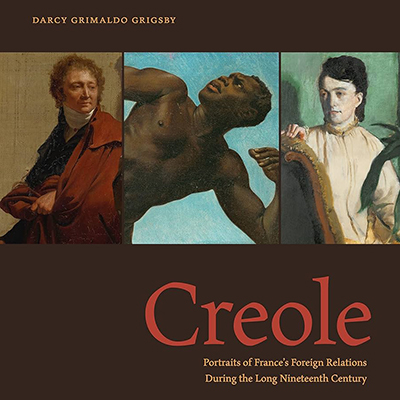
Creole: Portraits of France’s Foreign Relations During the Long Nineteenth Century
Through her study of portraiture, Darcy Grimaldo Grigsby examines the indeterminacy of the term “Creole” — a label applied to white, black, and mixed-race persons born in French colonies during the nineteenth century.
Honoring the Frankfurt School's practice of immanent critique, Martin Jay puts critical pressure on a number of its own ideas by probing their contradictory impulses.
In her exploration of media art and theory in Japan, Miryam Sas opens up media studies and affect theory to a deeper engagement with works and theorists outside Euro-America.
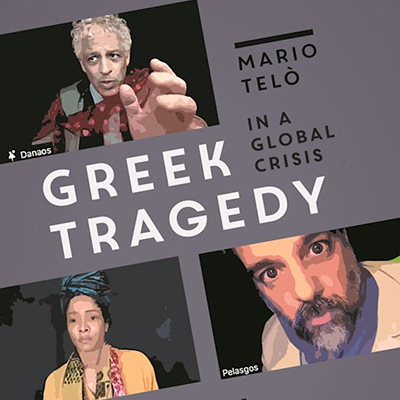
Mario Telò asks what it means to read Greek tragedy in a pandemic, exploring how the genre can address urgent contemporary crises.
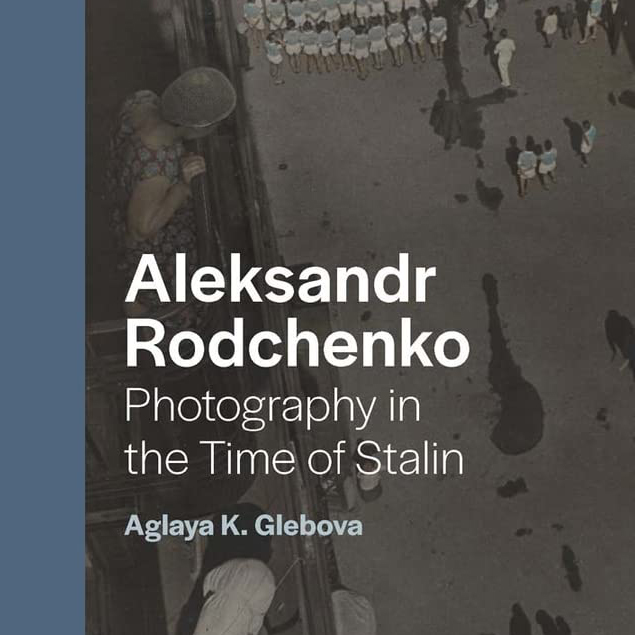
Through the lens of Aleksandr Rodchenko’s photography, Aglaya Glebova charts a new understanding of the troubled relationship between technology, modernism, and state power in Stalin’s Soviet Union.
Pathologies of Motion: Historical Thinking in Medicine, Aesthetics, and Poetics
Kevis Goodman approaches late 18-century medicine, aesthetics, and poetics as overlapping forms of knowledge that probe the relationship between the geographical movements of persons displaced from home and the physiological “motions” within their bodies and minds.
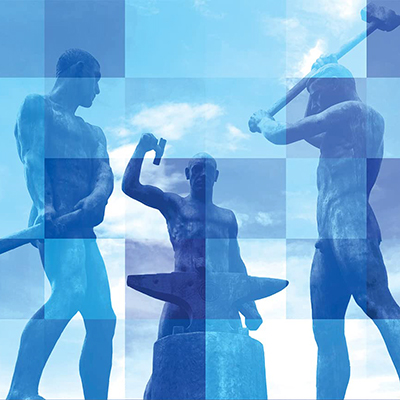
In her examination of Finland — where public health officials named occupational burnout a "new hazard" of the new economy — Daena Funahashi asks what moves people to work to the point of pathological stress.
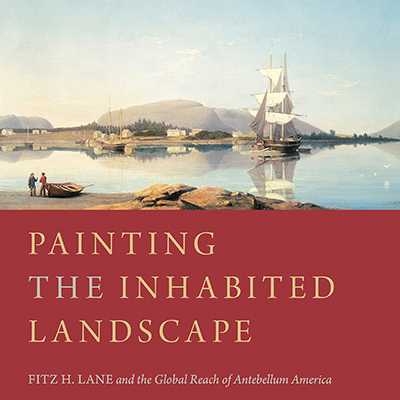
Painting the Inhabited Landscape: Fitz H. Lane and the Global Reach of Antebellum America
In her study of the inhabited landscape paintings of 19th-century artist Fitz H. Lane, Margaretta Lovell asks how New Englanders conceived of their land, economy, history, and place in the global community.
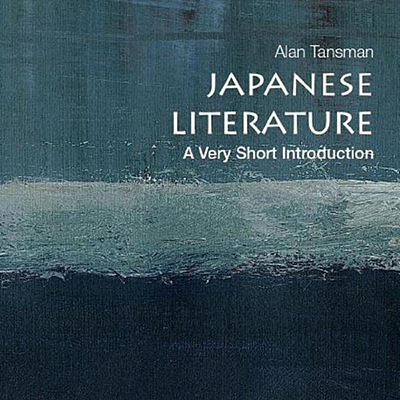
Alan Tansman traces the rich history of Japanese literature, which encompasses a vast range of forms and genres stretching back nearly 1500 years.