
The Townsend Center presents a lunchtime series celebrating the intellectual and artistic endeavors of the UC Berkeley faculty. Each Berkeley Book Chat features a faculty member engaged in conversation about a recently completed publication, performance, or recording. The series highlights the extraordinary breadth and depth of Berkeley’s academic community.

Concrete Colonialism: Architecture, Urbanism, and the US Imperial Project in the Philippines
During US colonial rule in the Philippines, reinforced concrete was used to the near exclusion of all other building materials. Diana Martinez shows how the material's stability, plasticity, and strength served the shifting imperatives of colonialism.

The Profligate Colonial: How the US Exported Austerity to the Philippines
Lisandro Claudio explores how the ideology of austerity served as a tool of US empire in the Philippines, casting Filipinos as reckless spenders and presenting monetary discipline as a civilizing force.

David Henkin shows how baseball offers a capacious space for thinking about such things as spectatorship, success, community, order, and contingency in the modern world.

Non-Aligned: Art, Decolonization, and the Third World Project in India
Atreyee Gupta takes a revelatory look at modernism in India, exploring art’s role in decolonization and aesthetic discourse across the Global South.

Sneaking into Print: Mouvance and Narrative Culture in Spain c. 1500
Ignacio Navarrete explores the impact of early printing on narrative literature in Spain, charting the rise of a distinct, new narrative culture.

Miryam Sas presents her grandmother Ela’s extraordinary story of surviving the Holocaust by pretending to be Christian, while uncovering hidden truths of her own family’s past.
Past Events
Wagner offers a fresh analysis of this deceptively simple story of a fox, a rabbit, and a doll made of tar and turpentine, tracing its history and connections to slavery, colonialism, and global trade.
Telling It Like It Wasn’t: The Counterfactual Imagination in History and Fiction
Inventing counterfactual histories — such as a Europe that never threw off Hitler, or a second term for JFK — is a common pastime of modern day historians. Gallagher probes how counterfactual history works and to what ends.
The Senses of Democracy: Perception, Politics, and Culture in Latin America
Masiello explores the textual and visual representation of the senses during moments of crisis in Latin America from the early nineteenth century to the present.
Exploring the idea of "intimations" - social interactions that approach outright communication but do not quite reach it - G. R. F. (John) Ferrari offers a new framework for understanding different ways in which we communicate with each other.
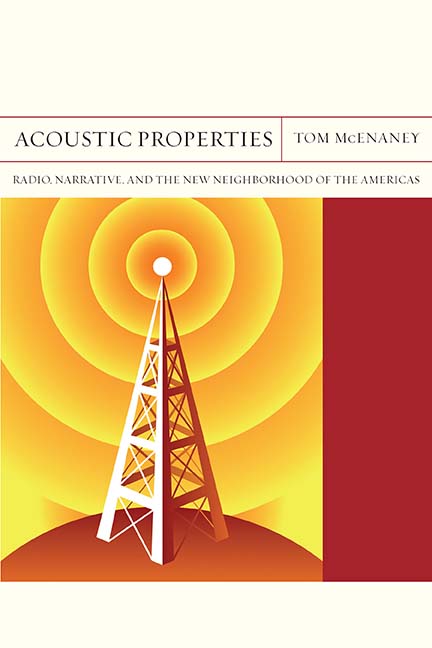
Acoustic Properties: Radio, Narrative, and the New Neighborhood of the Americas
In his study of the coevolution of radio and the novel in Argentina, Cuba, and the United States, McEnaney explores how novelists in the radio age transformed realism as they struggled to channel and shape popular power.
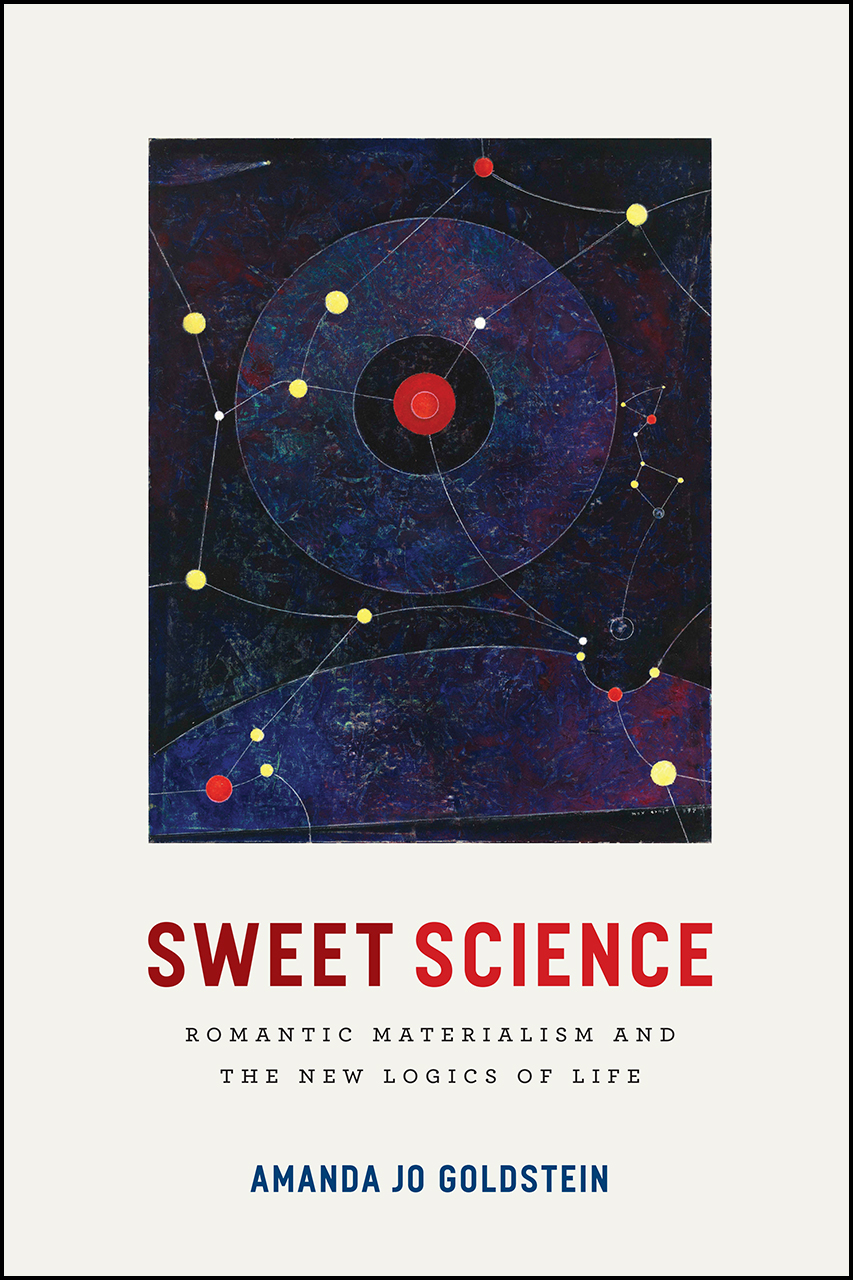
Sweet Science: Romantic Materialism and the New Logics of Life
Today we do not expect poems to carry scientifically valid information — but this was not always the case. Sweet Science explores how Romantic poetry served as an important tool for scientific inquiry.
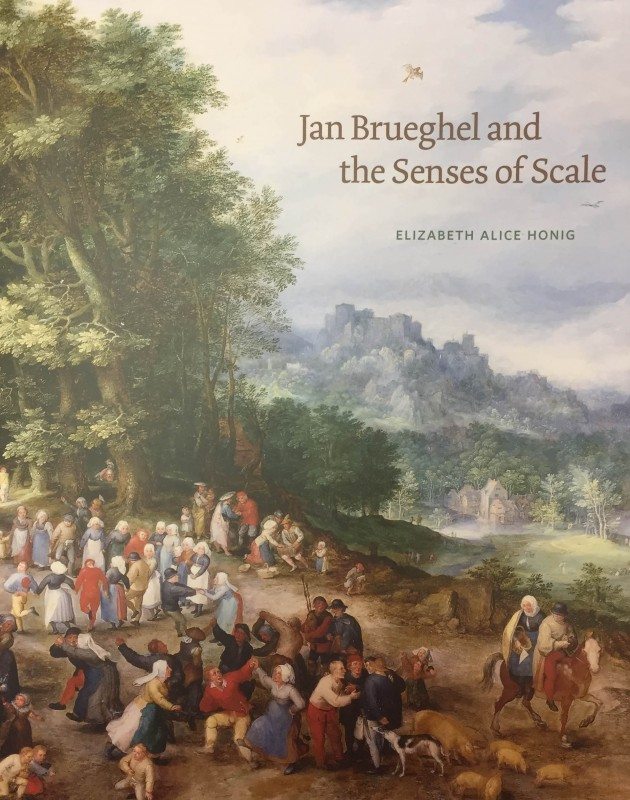
In the first book-length study of Jan Brueghel, Pieter’s son, Professor of History of Art Elizabeth Honig reveals how the artist’s tiny detail-filled paintings questioned conceptions of distance, dimension, and style.

A Little Book on Form: An Exploration into the Formal Imagination of Poetry
Robert Hass reveals the role of instinct and imagination within poetic form, demonstrating his formidable gifts as both a poet and a critic.

George W. Bush's War on Terror has led to seventeen years of armed conflict, making it the longest war in US history. Professor Mark Danner examines this state of perpetual struggle and its widespread acceptance in the name of American security.

Professor of History Peter Sahlins explores the “animal moment” in and around 1668, in which French authors, anatomists, painters, sculptors, and especially the young Louis XIV turned their attention to nonhuman beings.