
The Townsend Center presents a lunchtime series celebrating the intellectual and artistic endeavors of the UC Berkeley faculty. Each Berkeley Book Chat features a faculty member engaged in conversation about a recently completed publication, performance, or recording. The series highlights the extraordinary breadth and depth of Berkeley’s academic community.

Concrete Colonialism: Architecture, Urbanism, and the US Imperial Project in the Philippines
During US colonial rule in the Philippines, reinforced concrete was used to the near exclusion of all other building materials. Diana Martinez shows how the material's stability, plasticity, and strength served the shifting imperatives of colonialism.

The Profligate Colonial: How the US Exported Austerity to the Philippines
Lisandro Claudio explores how the ideology of austerity served as a tool of US empire in the Philippines, casting Filipinos as reckless spenders and presenting monetary discipline as a civilizing force.

David Henkin shows how baseball offers a capacious space for thinking about such things as spectatorship, success, community, order, and contingency in the modern world.

Non-Aligned: Art, Decolonization, and the Third World Project in India
Atreyee Gupta takes a revelatory look at modernism in India, exploring art’s role in decolonization and aesthetic discourse across the Global South.

Sneaking into Print: Mouvance and Narrative Culture in Spain c. 1500
Ignacio Navarrete explores the impact of early printing on narrative literature in Spain, charting the rise of a distinct, new narrative culture.

Miryam Sas presents her grandmother Ela’s extraordinary story of surviving the Holocaust by pretending to be Christian, while uncovering hidden truths of her own family’s past.
Past Events
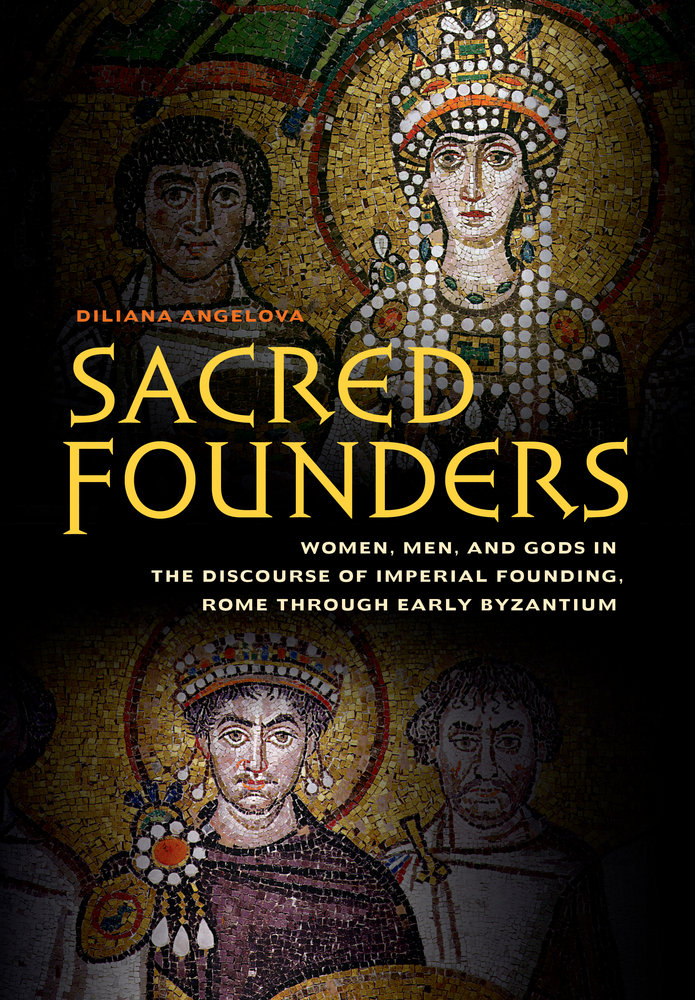
Sacred Founders: Women, Men, and Gods in the Discourse of Imperial Founding, Rome through Early Byzantium
Sacred Founders argues that from the time of Augustus through early Byzantium, a discourse of "sacred founders” helped legitimate the authority of the emperor and his family.
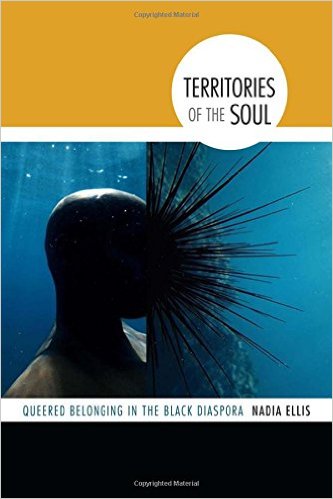
Territories of the Soul draws upon queer and affect theory to explore structures of belonging experienced by the black diasporic subject.
In Hidden Hitchcock, D.A. Miller does what seems impossible: he discovers what has remained unseen in the movies of this best-known of filmmakers.
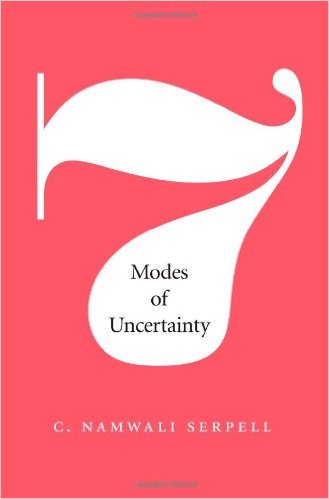
Namwali Serpell’s book Seven Modes of Uncertainty contends that literary uncertainty is crucial to ethics because it pushes us beyond the limits of our experience.
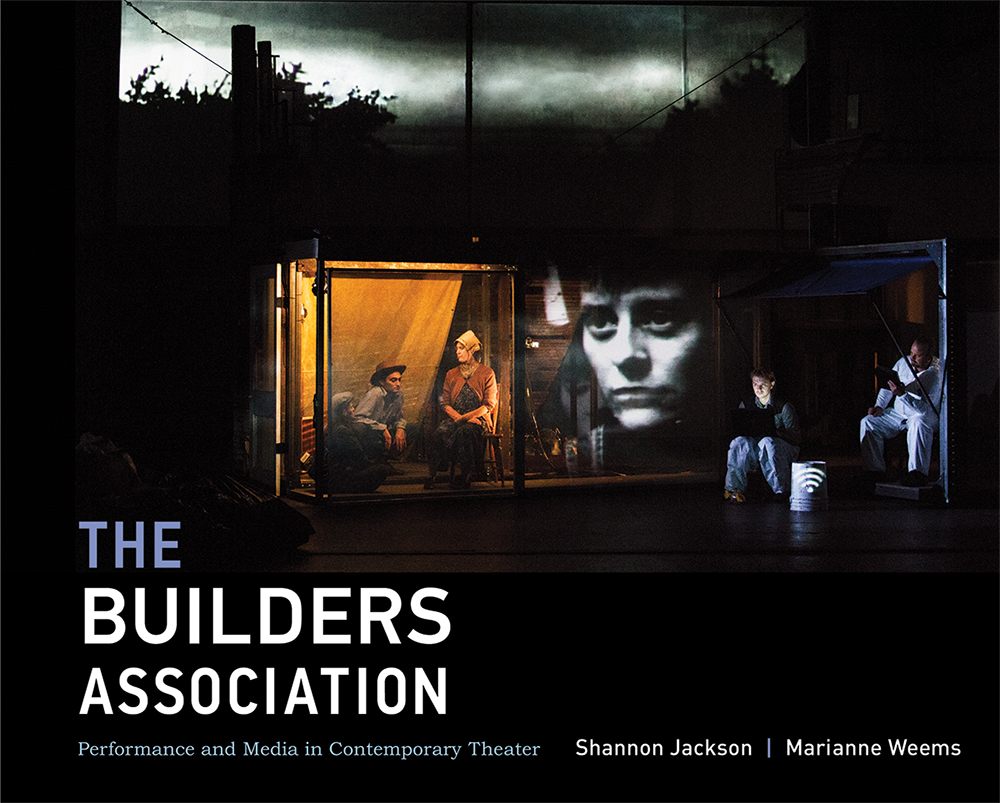
The Builders Association: Performance and Media in Contemporary Theater
Shannon Jackson discusses her recent co-authored book on the Builders Association, a New York-based multimedia theater company that creates original productions based on stories drawn from contemporary life.
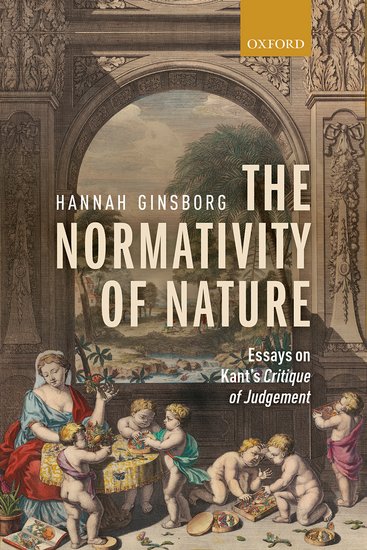
The Normativity of Nature: Essays on Kant's Critique of Judgement
Hannah Ginsborg presents fourteen essays which establish Kant's Critique of Judgment as a central contribution to the understanding of human cognition.
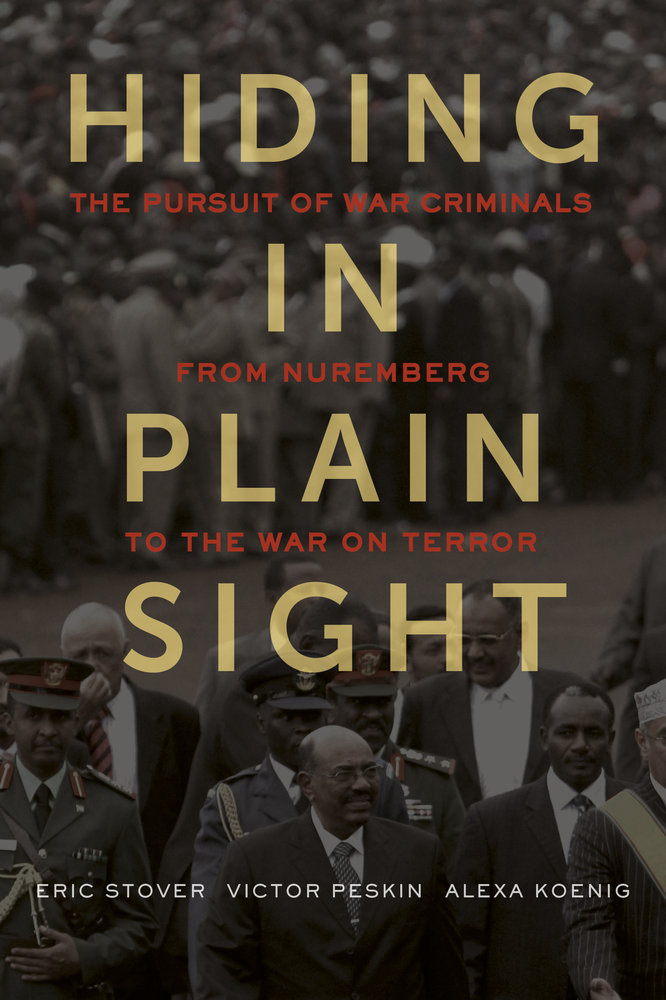
Hiding in Plain Sight: The Pursuit of War Criminals from Nuremberg to the War on Terror
Authors Stover, Peskin, and Koenig tell the story of the global effort to apprehend the world's most wanted war criminals, and attempt to understand why so many states ignore their legal obligations to arrest and try war crimes suspects.
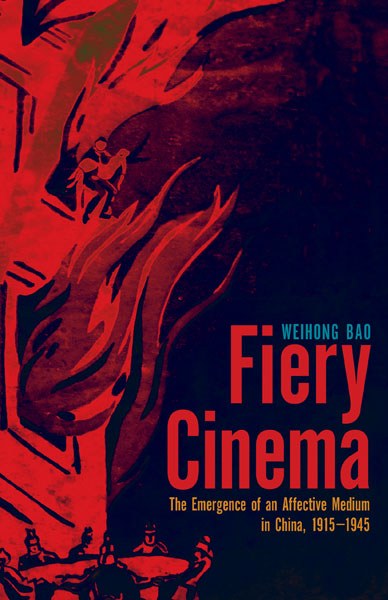
Fiery Cinema: The Emergence of an Affective Medium in China, 1915-1945
Weihong Bao’s book traces the permutations of cinema as an affective medium in China, exploring its role in aesthetics, politics, and social institutions.
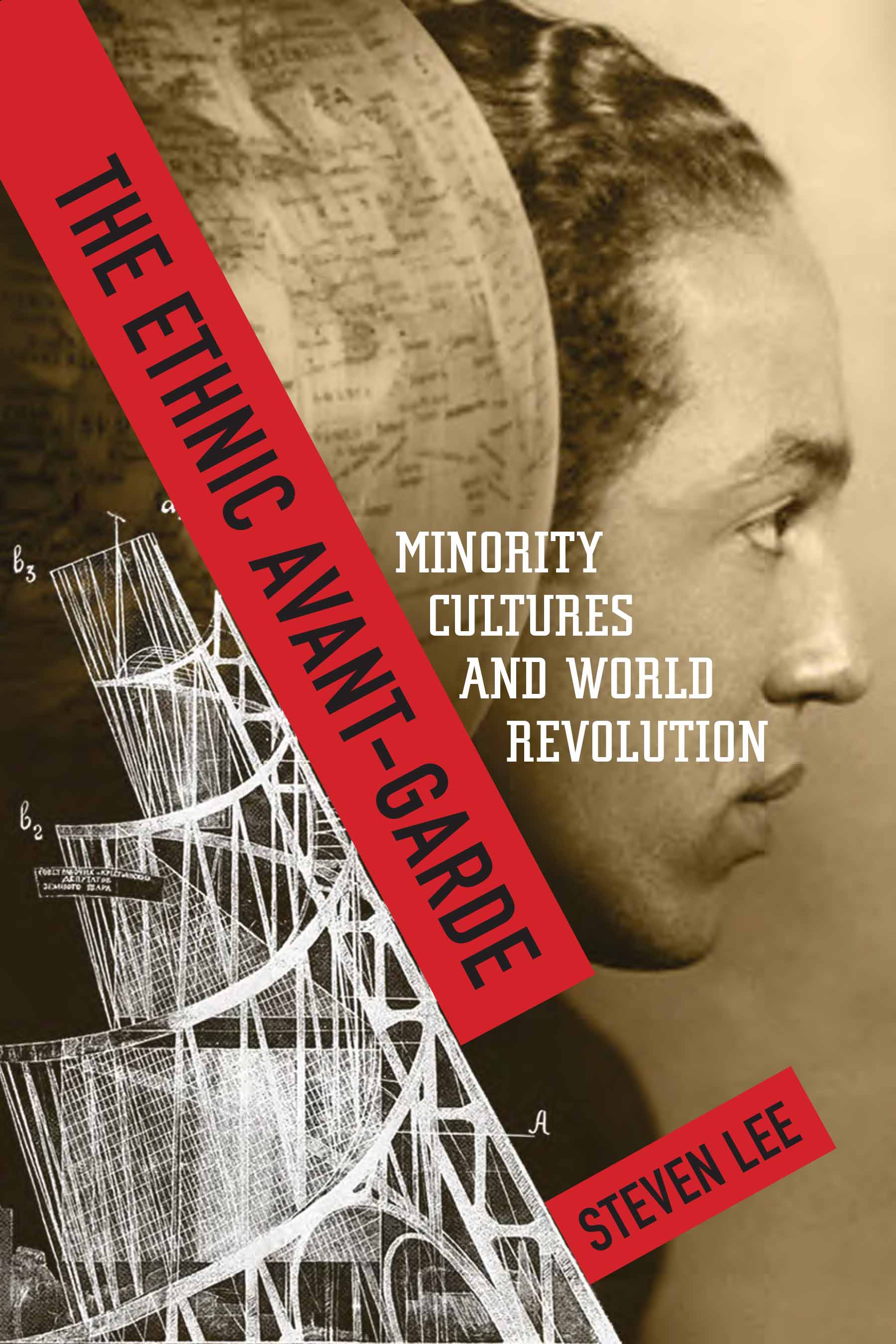
Professor of English Steven Lee’s book makes a unique contribution to interwar literary, political, and art history, drawing extensively on Russian archives, travel narratives, and artistic exchanges to establish the parameters of an undervalued "ethnic avant-garde."
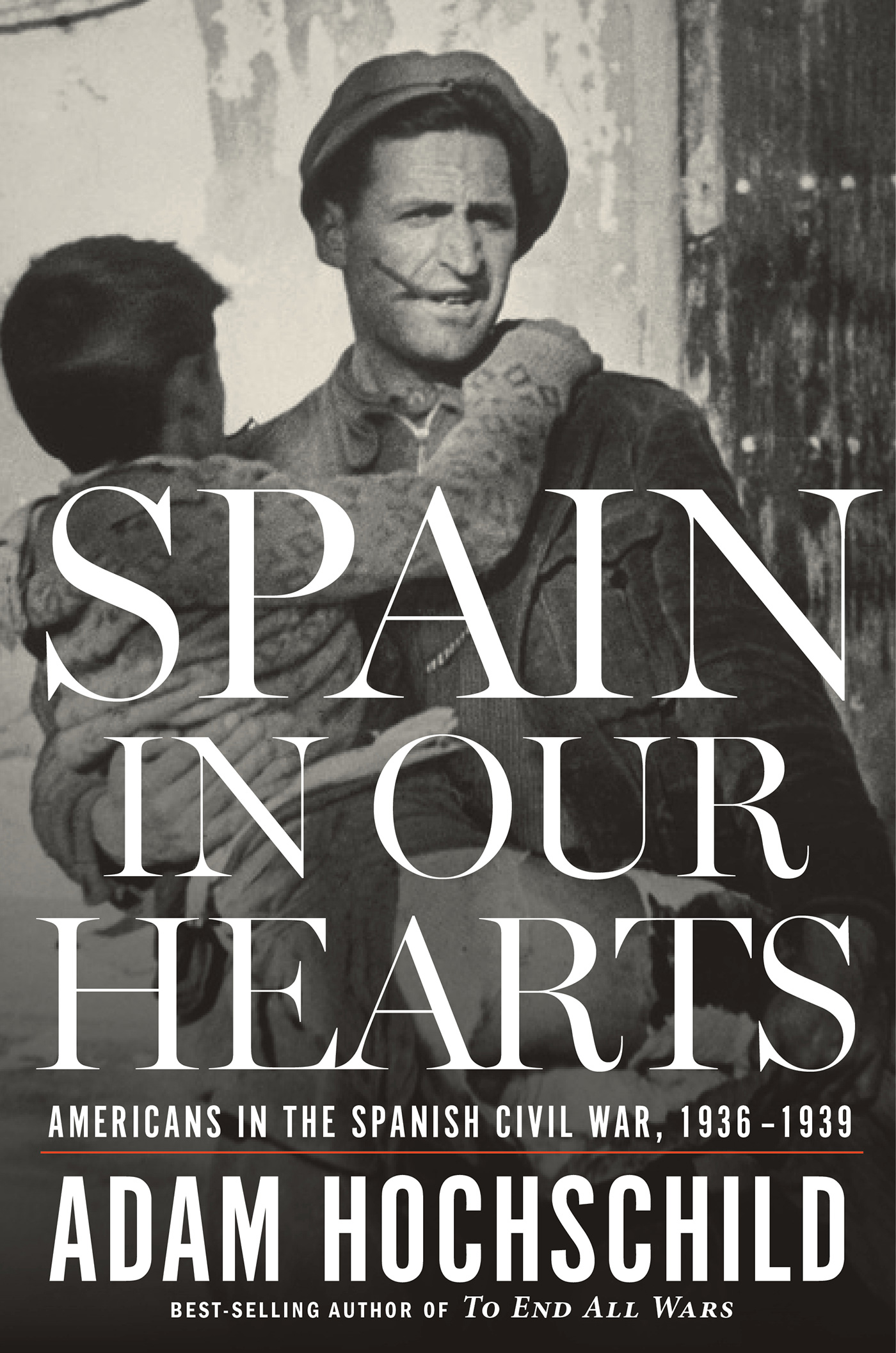
Spain in Our Hearts: Americans in the Spanish Civil War, 1936-1939
Graduate School of Journalism lecturer Adam Hochschild explores the Spanish Civil War (1936-1939) through the lives of idealistic international young volunteers as well as American journalists, scholars, citizens, and a right-wing oil company executive who supplied Franco’s army.